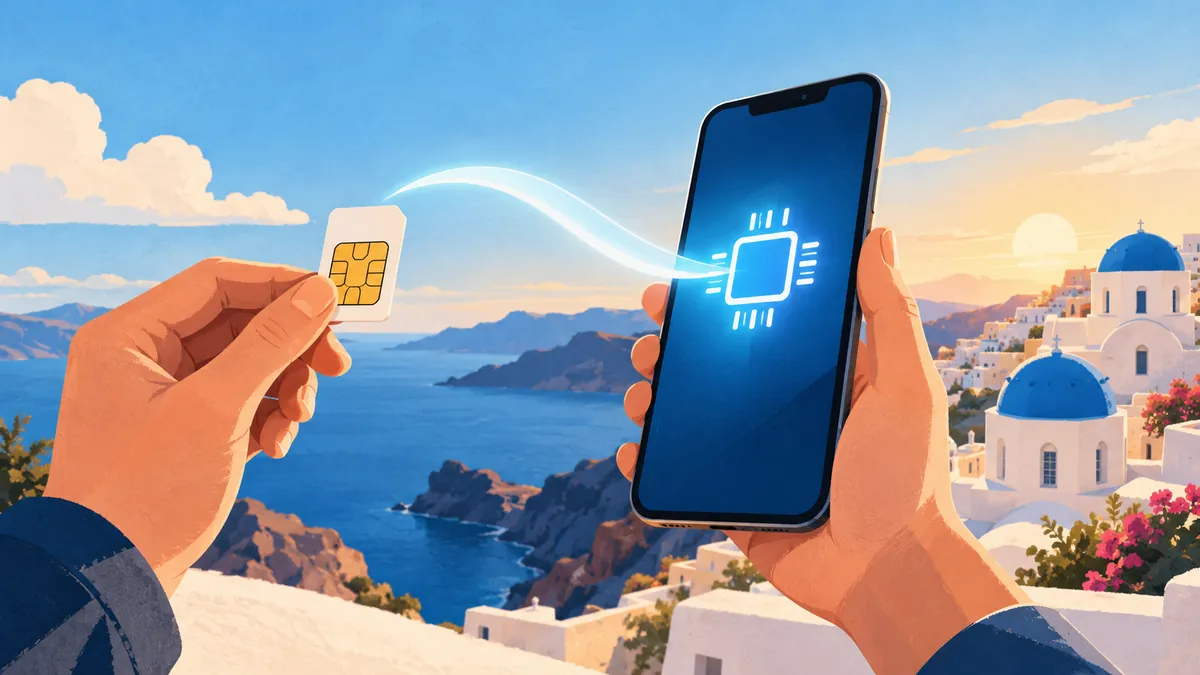
The End of an Era?
Physical SIM cards have been part of mobile phones since 1991. But with Apple removing the SIM tray entirely from US iPhones and other manufacturers following suit, the question isn't if physical SIMs will disappear — it's when.
The Timeline
2020–2023: The Transition Begins
- Apple introduces eSIM support alongside physical SIM
- Most flagship phones support eSIM
- Travel eSIM providers emerge
2024–2025: Acceleration
- iPhone 16 (US) ships without SIM tray
- Samsung, Google follow with eSIM-only models
- eSIM adoption doubles year-over-year
2026: The Tipping Point (Now)
- 70%+ of new smartphones support eSIM
- eSIM-only devices becoming the default in major markets
- Travel eSIM market worth $5+ billion
- Physical SIM vendors seeing declining sales
2027–2030: The Final Phase
- iSIM (integrated SIM) embeds SIM functionality directly into the processor
- No separate chip needed at all
- Physical SIMs relegated to legacy devices and IoT
Why Physical SIMs Are Dying
- 1Space — Removing the SIM tray frees up room for bigger batteries or other components
- 2Water resistance — One less opening in the phone case
- 3Security — eSIMs can't be physically stolen or swapped
- 4Convenience — Instant activation vs. finding a shop
- 5Environmental — No plastic cards, no packaging, no shipping
What This Means for Travelers
- Faster, easier connectivity setup
- Multiple plans on one device
- No risk of losing tiny SIM cards
- Instant activation from anywhere
- Older devices may not be supported
- Some countries' carriers are slow to adopt eSIM
- Locked phones may have eSIM restrictions
What About Developing Countries?
Physical SIMs will persist longer in markets where:
- Feature phones are common
- eSIM infrastructure isn't built yet
- Prepaid physical SIM culture is strong
But even these markets are transitioning, just more slowly.
The Bottom Line
Physical SIMs are on a clear path to obsolescence. If you're a traveler, embracing eSIM now means you're ahead of the curve. The future is digital, instant, and cardless.
For the technology available today, start with what an eSIM is and how it works, then learn how 5G roaming behaves abroad.